The 2AZ-FE engine benefits from a high-quality turbo manifold that balances airflow, spool speed, and durability. This guide highlights five options that align with 2AZ-FE performance goals, including improved combustion stability, reduced intake noise, and broader compatibility with domestically available turbo setups. Each product below is evaluated for fitment, material quality, and overall value for American enthusiasts seeking reliable turbo performance.
| Product | Brand | Notes |
|---|---|---|
| Cast Iron T3/T4 Turbo Intake Manifold (Toyota 2AZ-FE) | Unbranded | Directly targets 2AZ-FE with even air distribution |
| Cast Iron Turbo Manifold for 97-01 Prelude H22A | Unbranded | T3 flange; flexibility for boosted Hondas |
| DNA Motoring TM-B-S-RH Stainless Steel Turbo Manifold | DNA MOTORING | Stainless steel, equal runner design |
| Cast TURBO MANIFOLD Replacement for CRX 88-00 | E-MOTOR Store | Cast iron; broad Honda compatibility |
| T4 Cast Turbo Manifold Flange 2.5″ For Chevy LS | Unbranded | 2.5″ flange; LS engines, broader use |
Cast Iron T3/T4 Turbo Intake Manifold For 2AZ-FE Applications

This cast iron intake manifold is designed to distribute intake air evenly across cylinders, supporting combustion stability and engine power. The manifold emphasizes balanced air flow and reduces intake howling through an optimized pipe layout. Its uniform air distribution also aids oil-gas mixing, potentially lowering knocking risk and extending engine life. While compatible with 2AZ-FE configurations, buyers should verify flange compatibility and turbo setup to ensure a proper fit with their specific 2AZ-FE build.
Cast Iron Turbo Manifold for 97-01 Prelude H22A1/ H22A4 with T3 Flange

Though aimed at a different engine family, this cast iron turbo manifold shares durability and a T3 turbo flange, offering versatility for mixed-build projects. For 2AZ-FE users exploring versatile flange options, this manifold provides a reliable base with robust construction. Its design focuses on minimizing stress points and enhancing long-term reliability under boosted conditions. Prospective buyers should confirm flange compatibility with their turbocharger and exhaust system across their planned upgrade path.
DNA Motoring TM-B-S-RH Stainless Steel Turbo Manifold

Crafted from T-304 polished stainless steel, this DNA Motoring manifold emphasizes durability and consistent exhaust flow with equal-length runners. TIG-welded CNC-machined flanges help resist cracking and wear, supporting long-term performance under boost. While designed with general applications in mind, its stainless construction and precise fit make it a strong candidate for 2AZ-FE builds seeking corrosion resistance and balanced exhaust distribution. Verify the runner arrangement and flange compatibility with your specific turbo kit before purchase.
Cast TURBO MANIFOLD Replacement for CRX 88-00 D15/D16
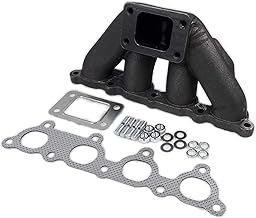
Engineered for Honda D15/D16 engines, this cast iron turbo manifold offers a rugged option with broad application. For 2AZ-FE builders, this manifold demonstrates the versatility of cast iron construction and robust flange design. While the product targets Honda powertrains, its durability and compatibility with boosted configurations make it a reference point when evaluating other cast iron manifolds. Buyers should research flange compatibility and bolt patterns to ensure a proper match with their turbo system.
T4 Cast Turbo Manifold Flange 2.5″ Replacement for LS Engines

This T4 flange manifold is tailored to 2.5″ exhaust piping and is commonly used with LS-family builds, offering a reference point for flange sizing and routing in mixed-engine projects. While not a direct 2AZ-FE fit, the product demonstrates the importance of matching flange size and turbo compatibility in a complete turbo system. Prospective buyers should confirm flange type, port sizing, and mounting clearances for their particular 2AZ-FE install plan.
Buying Guide: Key Purchase Considerations And Comparisons
- Flange compatibility: Ensure the turbo flange matches your chosen turbo model (T3, T4, or other standard sizes) and that mounting bolt patterns align with your engine and exhaust manifold studs.
- Material choice: Cast iron offerings provide durability and heat resistance but can add weight. Stainless steel options resist corrosion and may offer better long-term reliability in corrosive environments.
- Runner design and equalization: Manifolds with equal-length runners can improve exhaust scavenging and turbo spool consistency, contributing to smoother power delivery across RPMs.
- Fitment with 2AZ-FE: For the Toyota 2AZ-FE, verify flange type, gasket compatibility, and turbo kit integration to ensure a proper seal and optimal flow.
- Durability under boost: TIG-welded flanges and high-quality welding reduce cracking risk. Look for manifolds with tested performance histories for boosted applications.
- Installation considerations: Consider fan clearance, oil drain/backflow, and heat shield compatibility. A manifold designed for your engine bay layout reduces install time and heat transfer issues.
- Maintenance and serviceability: Some manifolds offer easier access to studs and gaskets for future servicing. Stainless options may reduce maintenance over time due to corrosion resistance.
- Cost vs. performance: Cast iron manifolds are typically more affordable and robust, while stainless steel variants may offer longevity and aesthetic appeal. Weigh upfront cost against expected service life.
- Compatibility with supporting mods: A manifold is part of a broader turbo kit. Confirm compatibility with the exhaust, up-pipe, intercooler, and ECU tuning to achieve reliable performance gains.
- Warranty and seller support: Check return policies and warranties from the seller, especially for off-brand or aftermarket manifolds, to protect your investment.