When towing a vehicle behind an RV, reliable brake assist is essential for smooth stops, better control, and road‑legal compliance. This guide highlights five dependable brake systems designed for RV towing, covering automatic positioning, smart braking modes, and non‑electronic backups. Read on to compare features, installation, and real‑world performance so you can choose the right setup for your rig and journeys.
Summary table of products
| Product | Brand | Key Benefit | Typical Use |
|---|---|---|---|
| CURT 52202 RVibrake 4 Portable Flat Tow Brake System | CURT | Rapid 0.5‑second reaction; automatic positioning | Portable flat towing, quick setup |
| Blue Ox BRK2019 Patriot 3 Brake System | Blue Ox Store | Universal fit, extended RF range controller | In‑coach control with fast response |
| Hopkins Towing Solutions BrakeBuddy 39494 | Hopkins Towing Solutions Store | Instant braking alerts from unit | Classic brake buddy setup |
| REDARC Tow-Pro Link | REDARC Store | 6‑axis sensor with dual modes; remote/app control | Modern, adaptable trailer braking |
| Camoo RV Brake System for Flat Towing | Camoo Store | Non‑electronic breakaway cable option | Simple mechanical backup for RV flat towing |
CURT 52202 RVibrake 4 Portable Flat Tow Brake System

The CURT RVibrake 4 is designed for quick setup and strong braking performance. It features a rapid 0.5‑second reaction time to deliver smooth, reliable stops. The unit is engineered to meet traffic safety requirements in 49 states and Canada, helping pilots stay compliant on most routes. A standout feature is automatic positioning with a one‑button interface, plus an integrated audio assistant that guides installation in about 30 seconds. Its lightweight, portable design includes a built‑in carrying handle for easy transport, making it ideal for RVers who tow varying vehicles.
Blue Ox BRK2019 Patriot 3 Brake System

The Blue Ox Patriot 3 offers a universal fit with an in‑coach controller featuring an extended RF range and an all‑electric design for faster response. This system is built to handle a range of tow configurations with reliable braking action. The universal approach means compatibility across many vehicle types, simplifying upgrades for RV owners who tow different vehicles over time. The controller’s extended wireless range reduces line‑of‑sight concerns, contributing to a smoother towing experience.
Hopkins Towing Solutions BrakeBuddy 39494
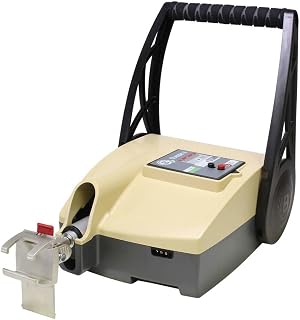
The BrakeBuddy 39494 provides immediate alerts from the braking unit, helping drivers respond quickly to braking events. While compact, it supports essential towing needs with straightforward setup. Package dimensions and weight give a sense of its portability for storage and travel. This system emphasizes user‑friendly feedback during braking, enabling safer maneuvers when towing a vehicle behind an RV. It is a practical choice for RVers seeking a classic, reliable braking companion.
REDARC Tow-Pro Link

REDARC Tow‑Pro Link combines precision braking with intelligent controls. It offers a 6‑axis sensor for accurate brake response, dual braking modes for everyday and off‑road conditions, and a plug‑and‑play installation that typically fits most 7‑pin connect vehicles. Control options include a pre‑paired remote with LED indicators or Bluetooth integration for mobile app, Apple CarPlay, and Android Auto control. This setup supports real‑time gain and mode adjustments, making it suitable for serious RV campers who tow in varied environments and road conditions.
Camoo RV Brake System For Flat Towing

The Camoo RV Brake System focuses on essential brake activation for emergency scenarios in flat towing. It presents a non‑electronic breakaway cable option, providing a mechanical backup that activates if the tow connection separates. This makes the system attractive for RV owners who prefer a simple, robust fail‑safe mechanism without relying on electrical components. It also serves as a supplemental backup to electronic brake controls, ensuring an extra layer of protection during towed travels.
Buying Guide: Key Purchase Considerations For RV Tow Brakes
- Type of braking system: Electronic brake controllers, portable flat tow brake systems, and non‑electronic breakaway backups each serve different risk profiles. Consider whether you prioritize automatic braking, ease of installation, or a mechanical fail‑safe option as primary protection.
- Vehicle compatibility: Check 7‑pin connections, controller interfaces, and universal fit options to ensure the brake system matches your RV and towed vehicle. Universal controllers simplify upgrades but verify fit on your specific models.
- Installation effort: Some units install in minutes with automatic positioning and guided setup, while others require more hands‑on installation or professional help. Factor in your comfort with wiring, calibration, and testing.
- Control and monitoring: Look for systems with remote or app control, extended wireless range, and real‑time status indicators. This helps you monitor braking performance from the cab or via a connected device.
- Safety compliance: Ensure the system meets applicable road‑safety standards and shipping regulations where you travel. Compliance can prevent roadside issues and fines.
- Portability and storage: For frequent travelers, portable solutions with lightweight builds and carrying handles ease storage in your RV or garage.
- Redundancy options: A mechanical backup (non‑electronic breakaway) can complement electronic brakes, providing added protection in case of electrical or sensor failure.
- Maintenance and support: Consider brands with clear installation manuals, after‑sales support, and readily available replacement parts to minimize downtime on trips.
When choosing a brake assist system for RV towing, assess how it integrates with your vehicle lineup, towing frequency, and preferred level of automation. Balancing ease of use, reliability, and safety features will help you select a solution that keeps you in control on highways and backroads alike.