When a vehicle or equipment incident threatens fuel flow, a clearly marked fuel shut-off switch can be the difference between a safe stop and a dangerous fire. This article highlights five top-rated fuel safety shut-off switch products, detailing their features, durability, and best use cases. Whether you’re outfitting a workshop, trailer, or equipment fleet, these picks help you select a reliable, easy-to-read solution for emergency shut-offs.
Overview Of Selected Products
| Product | Brand | Key Use | Materials | Approx. Size |
|---|---|---|---|---|
| 5-Pack 6″ x 2″ Red Emergency Shut-Off Fuel Switch Labels | Littversions Store | Labeling & labeling replacement | Vinyl | 6″ x 2″ |
| Emergency Fuel Shut-Off Switch Sign, 10″ x 7″ | J. J. Keller & Associates, Inc. Store | Emergency identification sign | Vinyl | 10″ x 7″ |
| JEGS Oil Pressure Safety Switch | JEGS Store | Fuel pump protection | Metal/Router-Grade | 1/8″ NPT |
| Emergency Fuel Shut-Off Sign, 12 x 8 inch | Unknown | Outdoor/Indoor signage | Aluminum | 12″ x 8″ |
| 10 Pack 2″ x 1″ Red Emergency Shut-Off Labels | Littversions Store | Labeling & labeling replacement | Vinyl | 2″ x 1″ |
5-Pack Red Emergency Shut-Off Labels For Fuel Switches

The 5-Pack includes 6″ by 2″ vinyl labels designed for quick application and legibility in critical moments. The self-adhesive vinyl surface offers durability against heat, oil, and frequent handling in industrial environments. These labels are well-suited for replacing older, faded indicators or for marking new installations clearly. Vinyl is typically preferred over polyester when long-term wear and readability are priorities in harsh settings.
Emergency Fuel Shut-Off Switch Sign, 10″ x 7″

This permanent vinyl sign with rounded corners is designed for both indoor and outdoor use, offering reliable adhesion across various substrates. The sign communicates clearly where the shut-off switch is located, helping reduce response time during emergencies. Its service temperature range from -40˚F to +200˚F supports use in environments with extreme temperatures, contributing to dependable performance in garages, yards, and commercial facilities.
JEGS Oil Pressure Safety Switch
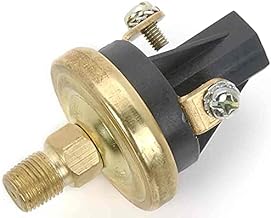
Designed to shut off a fuel pump when oil pressure falls below 5 PSI, this switch is intended for integration into the fuel pump’s wiring circuit. Its three-terminal connection links the fuel pump, starter solenoid, and ignition switch, enabling a coordinated cut-off of fuel delivery during engine stalls or major internal failures. The unit aims to minimize fuel waste and reduce the risk of post-failure fires by rapidly cutting power to essential components.
Emergency Fuel Shut-Off Sign 12 x 8 Inch Aluminum

This aluminum emergency shut-off sign combines lightweight durability with weather resistance, making it suitable for outdoor installations and high-traffic areas. It features four pre-drilled holes for straightforward mounting on doors, walls, fences, or equipment enclosures. The sign’s visibility supports quick identification of shut-off locations even in dim or smoky conditions, contributing to faster emergency response times.
10 Pack Red Emergency Shut-Off Labels For Fuel Switches

The 10-pack offers vinyl, self-adhesive labels designed for quick deployment and high readability. As with the 5-pack, vinyl-based labeling provides enhanced durability in environments where labels may face oil, heat, or frequent handling. These labels are ideal for replacing aging decals or labeling multiple control points across a yard, shop, or fleet setup.
Buying Guide: Key Considerations For Fuel Safety Shut-Off Solutions
Choosing the right fuel safety shut-off components involves evaluating readability, durability, and compatibility with existing equipment. Consider the following perspectives to find the best fit for your environment:
- Readability and visibility: Opt for high-contrast colors (red against white) and large, legible type. Signs and decals should be easy to read from a distance and in low-light conditions.
- Durability: Vinyl signs and decals resist oils and weather exposure better than paper-based products. For outdoor or extreme-temperature settings, metal or aluminum signs with weatherproof finishes offer longer life.
- Mounting and installation: Check whether the product uses pre-drilled holes, self-adhesive backing, or hardware mounting. Ensure compatibility with your substrate, whether metal, wood, or plastic.
- Temperature and chemical exposure: If the environment includes extreme temperatures or exposure to fuels, select signage rated for broad service temperatures and chemical resistance.
- Integration with existing systems: For electrical panels, ensure labels are compatible with panel clearance and won’t obstruct labels or contacts. For switches, verify that any added components do not interfere with operation.
- Regulatory alignment: Adhere to local safety standards and signage requirements where applicable. Replacing faded or outdated signs can help ensure regulatory compliance.
- Cost and scale: If you manage multiple locations or fleets, consider multi-pack options to reduce cost per unit while maintaining consistent labeling across sites.
- Longevity vs. replacement needs: Vinyl labels offer value for frequent replacements, while aluminum or heavy-duty signs serve long-term installations where replacement is infrequent.
Across these options, the goal is to improve response times during emergencies, reduce confusion, and ensure fuel shut-off points are unmistakably marked. By evaluating readability, mounting ease, and environmental durability, you can assemble a practical kit for workshop, yard, or vehicle applications.