Fuel sensors play a critical role in modern fleet management, enabling accurate monitoring of fuel levels and consumption while supporting real-time location tracking. This article highlights five devices that pair fuel measurement with reliable vehicle tracking capabilities. Each product is described with its standout features and practical applications for fleets, rideshares, and personal vehicle monitoring. Use this guide to compare installation, compatibility, and data access options to choose the right solution for your needs.
| Product | Brand | Key Features |
|---|---|---|
| LandAirSea 54 GPS Tracker | LandAirSea Store | Real-time location, 3-second updates, geofencing, discreet magnet attachment |
| Geo Track Mini 4G GPS Tracker | REWIRE SECURITY Store | Ready-to-use, 2-wire install, live app tracking, geofencing alerts |
| Ultrasonic Fuel Level Sensor | ELING Store | Non-contact fuel level, supports multiple liquids and tanks, versatile gauge compatibility |
| GM Flex Fuel Sensor | GENUINE PARTS | GM OEM spec, reliable replacement, quality manufacturing |
| Bosch Fuel Pressure Sensor | Bosch Store | Premium performance, actual OEM feel, built-in circuit protection |
LandAirSea 54 GPS Tracker Overview

The LandAirSea 54 GPS tracker is designed for secure asset monitoring with strong real-time capabilities. It delivers precise global location updates, with data accessible via web-based software or the SilverCloud App. Users can expect updates as frequent as every three seconds and can review historical playback for up to a year. The device is compact and magnet-enabled, allowing discreet placement on various vehicles or equipment. Battery efficiency is enhanced by motion-activated sleep mode, ensuring longer operation between charges in inactive periods.
Geo Track Mini 4G GPS Tracker For Vehicles

REWIRE SECURITY’s Geo Track Mini emphasizes quick, user-friendly setup with a simple two-wire installation that taps directly into the vehicle battery. The device supports real-time tracking via a dedicated mobile app for iOS and Android and offers up to 12 months of historical data. Automatic alerts include geofencing prompts, as well as vibration, movement, overspeed, power loss, and ignition detection. Its emphasis on rapid deployment makes it suitable for fleets seeking minimal downtime during installation and access to immediate location insights.
ELING Ultrasonic Fuel Level Sensor

The ELING Ultrasonic Fuel Level Sensor is a non-contact gauge designed to monitor fuel levels across a variety of liquids and tank materials. It supports multiple tank types, including metal, aluminum, stainless steel, fiber, and plastic, and is compatible with different brands of fuel gauges. While primarily focused on fuel level monitoring, this sensor can complement vehicle tracking systems by providing accurate fuel status data to optimize routes, refueling decisions, and asset utilization.
GM Genuine Parts Flex Fuel Sensor
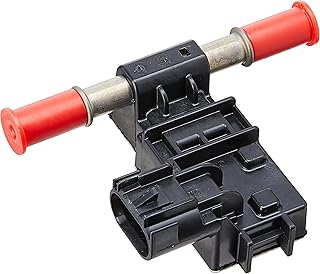
The GM Genuine Parts Flex Fuel Sensor is a direct OEM replacement part engineered to match GM OE specifications for fit, form, and function. This sensor is designed to maintain measurement accuracy and reliability, ensuring consistent fuel monitoring in GM vehicles. For fleet managers with GM applications, using genuine parts helps preserve integration with the vehicle’s computer systems and fuel management strategies.
Bosch Original Equipment Fuel Pressure Sensor

Bosch offers a high-quality fuel pressure sensor designed for Opel, Ford, and other brands with a focus on fast response and accurate readings. The sensor includes built-in circuit protection to safeguard vehicle electronics and computer systems. Its OEM-grade performance makes it suitable for unaffiliated replacements where precise fuel pressure data is essential for engine health and fuel management strategies.
Buying Guide: Key Purchase Considerations
When selecting a fuel sensor and vehicle-tracking solution, consider integration with your fleet management goals. The following perspectives help cover common needs and constraints:
- Real-time data and history: Assess how often the device reports location and fuel data, and how far back you can review historical records. Fleet operations benefit from near real-time positioning plus long-term playback for audits and optimization.
- Installation and compatibility: Two-wire installs or wireless sensors reduce downtime, while OEM-referenced parts ensure compatibility with existing vehicle systems. Consider tank materials and sensor mounting options for non-contact or contact measurements.
- Alerting and geofencing: Effective alerts for overspeed, ignition, power loss, and zone entry/exit help prevent unauthorized use and support proactive maintenance. Align alert types with your risk management plan.
- Data accessibility: Web dashboards and mobile apps should offer intuitive visualization, exportability, and integration with your existing software stack (e.g., fleet management tools or telematics platforms).
- Durability and environment: Look for waterproof or ruggedized designs when trackers operate outdoors or in harsh conditions. Battery life is a key consideration for asset-mounted devices not connected to power.
- OEM vs aftermarket parts: For vehicles with manufacturer-specific electronics, genuine parts can simplify compatibility and warranty considerations, while aftermarket sensors may offer cost savings with broader applicability.
- Cost of ownership: Consider upfront device cost, installation time, data plan requirements, and ongoing subscription fees if using cloud-based tracking services. Balance these against total operational savings from improved asset utilization.