The NHRA standardizes certain fuel line materials for reliability in marine and small-engine applications. This guide reviews five NHRA-appropriate fuel lines, highlighting construction, temperature and pressure ratings, and typical uses. Whether you’re outfitting a boat’s fuel system or a small engine setup, these options offer NBR-based cores, reinforced outer layers, and compatibility with gasoline, diesel, and ethanol blends. Use this overview to compare performance features and select a fuel line that meets your system’s pressure, temperature, and bending requirements.
| Product | Length | Core/Material | Pressure Range | Ideal For |
|---|---|---|---|---|
| 3/8″ Marine Fuel Hose Feed Line | 10 ft | NBR core, NBR+PVC outer, polyester braid | Not specified; typical marine use | Ships and marine equipment |
| EVIL ENERGY 3/8″ Marine Fuel Line Hose Type A1-15 | 10 ft | NBR inner, NBR+PVC outer, polyester braid | Max 300 PSI working; burst 900 PSI | Gasoline, diesel, E85 in boats |
| EVIL ENERGY 3/8″ Marine Fuel Line Hose Type A1-15 | 25 ft | NBR inner, NBR+PVC outer, polyester braid | Max 300 PSI working; burst 900 PSI | Marine fuel transfer |
| 10ft 1/4″ ID Fuel Line Hose Kit | 10 ft | Rubber fuel line, various blends | Not specified | Small engines and general fuel transfer |
| 10 Feet 3/16″ ID Fuel Line Hose | 10 ft | Rubber, non-pressurized | Not specified | Small engines, lawn care, generators |
Note: Always verify maximum operating pressure and compatibility with your fuel blend and pump type. Consider the installation environment, bend radius, and temperature exposure to ensure long service life and compliance with NHRA-related expectations.
3/8” Marine Fuel Hose Feed Line
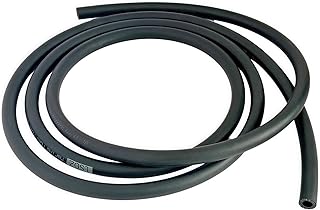
Product features include a robust NBR fuel line capable of handling fuel systems, steam emission, and oil cooling scenarios when used within its specified pressure range. The line features an inner NBR core with a reinforced outer layer of NBR+PVC, completed by a polyester braid for added strength. The 3/8 inch inner diameter and 9.5 mm inner measurement along with a 17 mm outer diameter make this hose suitable for compact marine installations where space is at a premium. Manufacturers emphasize checking the pressure of application prior to purchase to ensure compatibility with your engine or vessel’s fuel delivery system.
EVIL ENERGY 3/8 Marine Fuel Line Hose Type A1-15

With a maximum working pressure of 300 PSI and a burst rating of 900 PSI, this hose is designed for reliable marine fuel supply. Its temperature tolerance ranges from -20°F to 221°F (-30°C to 105°C), enabling operation in varied climates. The dual-layer construction uses an NBR inner layer and an NBR+PVC outer layer reinforced by a polyester braid, making it compatible with gasoline, diesel, E85, and other common fuels used in boats. The 10-foot version is a popular choice for slack runs between the fuel tank and engine compartment while maintaining flexibility and resistance to environmental stressors.
EVIL ENERGY 3/8″ Marine Fuel Line Hose 25FT

This 25-foot variant shares the same A1-15 rating and construction as the 10-foot version, featuring an inner NBR core, NBR+PVC outer layer, and polyester braid reinforcement. It maintains a maximum working pressure of 300 PSI and a burst pressure of 900 PSI, with a temperature range suitable for marine environments. The longer length provides flexibility for longer fuel runs or more generous routing options in boat mechanical spaces, supporting stable fuel delivery across varied engine configurations.
10ft 1/4″ ID Fuel Line Kit

This kit features a 1/4 inch internal diameter fuel line with a 10-foot length and includes 20 clamps. It’s designed for small engines and portable power equipment, offering resistance to heat and cold across a wide range (-22°F to 338°F). The hose is suitable for delivering gasoline, E-85, diesel, and biodiesel in lawnmowers, tractors, snowblowers, and other small engines. The kit-oriented approach makes it convenient for DIY projects or field servicing where multiple clamps are helpful for secure connections and leak prevention.
10 Feet 3/16″ ID Fuel Line Hose

The 3/16 inch ID hose is intended for small engines that do not require pressurized fuel lines. It features an ID of 3/16″ (4.8 mm) and an OD of 11/32″ (8.8 mm) with a 10-foot length. The line is compatible with gasoline and diesel fuels and is noted for resistance to oil and ethanol blends. Its non-pressurized design makes it a practical option for general-purpose fuel transfer, garden tools, and small equipment where flexible routing and easy installation are priorities.
Buying Guide
Key considerations when selecting an NHRA-appropriate fuel line:
- Fuel compatibility: Confirm the line is rated for gasoline, diesel, ethanol blends (like E85), or biodiesel as required by your engine or vessel. Some lines are specified for a broad range of fuels, while others may be optimized for a single fuel type.
- Inner core and outer reinforcement: A robust NBR core with an NBR+PVC outer layer and polyester braid provides durability, chemical resistance, and mechanical strength. Consider environments with vibration, heat, or potential fuel exposure to determine if an extra braid or thicker wall is needed.
- Pressure and temperature ratings: Marine fuel lines often emphasize higher burst pressure and wide temperature ranges. Ensure your fuel system’s operating pressure stays well below the maximum working pressure, and that temperatures in your climate won’t exceed the hose’s limits.
- Length and bend radius: Measure the routing path from fuel tank to engine. Longer hoses enable flexible placement, but ensure the minimum bending radius is observed to prevent kinking or collapse under load.
- Chemistry and durability: Look for hoses with resistance to oil, fuel additives, and aging. For outdoor or boat use, UV resistance and abrasion protection can extend service life.
- Clamps and installation hardware: Some kits include multiple clamps to secure connections. Ensure you have compatible clamps and that fittings match your existing hardware and hose ends.
- Compliance and labeling: If NHRA approval or alignment with NHRA standards is a goal, verify product specifications and any certification markings. For marine installations, follow local and vessel-specific regulations.
- Maintenance and inspection: Regularly inspect hoses for cracks, hardening, or swelling. Replace hoses showing signs of wear or if they approach their rated end-of-life, responding to engine vibrations and fuel exposure.
To maximize performance and safety, match the hose to your engine’s fuel delivery demands, ensure pressure compatibility, and select lengths that minimize unnecessary excess routing. Using the right NHRA-appropriate fuel line can contribute to reliable starts, steady fuel flow, and longer service life of marine and small-engine systems.