Choosing the right nitrous fuel pressure switch helps protect your engine and ensures reliable nitrous delivery. The options below cover a range of pressures, fittings, and configurations to suit carbureted or fuel-injected setups. Each product is selected for build quality, adjustment range, and compatibility with common nitrous systems.
| Product | Brand | Inlet/Manifold | Adjustment | Notes |
|---|---|---|---|---|
| Nitrous Express 15708 Heavy Duty Fuel Pressure Safety Switch for Carburetor Fuel Pressure | Express | Not specified | Standard package dimensions listed | Heavy duty switch for carburetor systems |
| Nitrous Outlet Fuel Pressure Safety Switch (High Pressure) 35 psi preset | Nitrous Outlet Store | 1/8″ NPT Inlet | Adjustable 20–120 PSI | High pressure model with adjustable set screw |
| Nitrous Outlet Fuel Pressure Safety Switch w/-4 Manifold (High Pressure) | Nitrous Outlet Store | 1/8″ NPT Inlet | Set screw adjustability | Includes -4 manifold option |
| JEGS Fuel Pressure Safety Switch | Preset to 30 PSI | JEGS Store | 1/8″ NPT Male Thread | Preset at 30 PSI; adjustable by design | Normally Open; two post connection |
| Nitrous Outlet Fuel Pressure Safety Switch w/-6 Manifold (Low Pressure) | Nitrous Outlet Store | 1/8″ NPT Inlet | Set screw adjustability | Includes -6 manifold |
Note: The table summarizes key aspects such as inlet size, manifold options, and adjustment capabilities. Always verify compatibility with your specific nitrous kit and fuel system before purchase.
Nitrous Express 15708 Heavy Duty Fuel Pressure Switch

The Nitrous Express 15708 is described as a heavy-duty fuel pressure safety switch designed for carburetor fuel systems. Its form factor and listed dimensions suggest a robust build suitable for high-demand nitrous setups. This model focuses on preventing nitrous flow if fuel pressure is unsafe, helping protect the engine from lean conditions or insufficient fuel delivery. While specific pressure ranges aren’t stated in the accessible details, this switch is intended for high-reliability operation in nitrous-assisted carbureted configurations.
Nitrous Outlet High-Pressure Safety Switch — 35 PSI Preset

This high-pressure Nitrous Outlet switch is preset at 35 psi and adjustable from 20 to 120 psi. The 1/8 NPT inlet and the end-set screw design offer straightforward installation and tuneability for race setups requiring precise fuel pressure control. Engineers typically use this type of switch to cut power to the nitrous solenoid when fuel pressure drops, reducing the risk of nitrous delivery during lean or under-fuel conditions. It is well-suited for both carbureted and some fuel-injected applications relying on a stable fuel supply.
Nitrous Outlet High-Pressure Switch with -4 Manifold
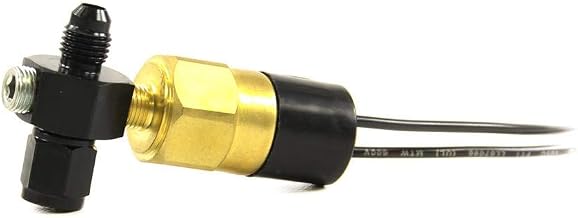
This switch variant pairs a 1/8″ NPT inlet with a -4 manifold, suited for higher-pressure nitrous systems that use a larger manifold connection. The adjustable end screw allows precise tuning of the activation pressure, and the -4 manifold compatibility expands installation options for specific engine bays. Expect robust construction intended for race-ready installations where consistent fuel pressure is critical for nitrous performance.
JEGS Fuel Pressure Safety Switch — 30 PSI Preset

The JEGS switch is preset to 30 psi and designed to cut current to the nitrous solenoid if fuel pressure drops below that threshold. This safety mechanism is intended for both carbureted and fuel-injected systems, placing the switch in the fuel supply circuit to monitor pressure and halt nitrous flow when necessary. The two-post connection and 1/8″ NPT male threading support a broad set of installations.
Nitrous Outlet Low-Pressure Switch with -6 Manifold

This low-pressure model by Nitrous Outlet includes a -6 manifold option, expanding compatibility with systems that operate at lower fuel pressures while still offering adjustable control via a set screw. The 1/8 NPT inlet supports common installation standards, and the -6 manifold pairing provides versatility for select engine configurations and nitrous kits requiring a different plumbing arrangement.
Buying Guide: Key Considerations for Nitrous Fuel Pressure Switches
When selecting a nitrous fuel pressure switch, consider the engine type (carbureted vs. fuel-injected), intended nitrous system pressure range, and available fittings. Inlet size and manifold compatibility (1/8 NPT, -4 or -6), actuator pressure range, and whether the switch is normally open or closed all influence installation and safety behavior. Adjustable set screws allow on-the-fly tuning, but verify the maximum pressure rating to prevent nuisance trips or missed activations. For street and drag applications, prioritize reliability, easy installation, and clear documentation from the manufacturer. Always ensure wiring and power handling match the solenoid and control system in use. Compare presets (e.g., 30 psi, 35 psi) and adjustability to align with your fuel delivery characteristics and nitrous kit requirements.
Durability and build quality matter in harsh engine environments. Look for switches with solid housings, corrosion resistance, and stable electrical contacts. If your setup uses a manifold with multiple ports or custom plumbing, check for compatibility with -4 or -6 options and ensure the mounting orientation does not interfere with hoses or belts. Finally, consider the availability of replacement parts and the ease of recalibration as fuel pressures change with engine mods or altitude. A properly chosen nitrous fuel pressure switch helps maintain safe, predictable nitrous delivery and protects the engine under demanding conditions.