Finding a reliable OBD II wireless transmitter helps you diagnose engine problems, monitor vehicle health, and save time at the shop. This guide evaluates top Bluetooth-enabled OBD-II devices that work with iOS, Android, and Windows, with attention to compatibility, ease of use, and supported features. The selections below cover a range of vehicles and apps, so you can pick a tool that fits your diagnostic needs and budget.
| Product | Brand | Key Features |
|---|---|---|
| OBDCheck BLE+ / BLE Bluetooth OBD II Scanner | Veepeak Store | Generic OBD-II functions; BLE/Classic Bluetooth; app-dependent advanced features |
| OBDLink MX+ OBD2 Bluetooth Scanner | OBDLink Store | Professional-grade diagnostics; wide OEM support; FORScan and more |
| BlueDriver Bluetooth Pro OBDII Scanner | BlueDriver Store | No subscription; 7000+ issues; ABS/SRS/TPMS and live data |
| Bluetooth OBD2 Scanner (Universal) | Unbranded | Real-time fault code read/clear; wireless; durable ABS shell |
| Veepeak OBDCheck BLE+ (Second Variant) | Veepeak Store | BLE+ connectivity; generic OBD-II; app-dependent |
Veepeak OBDCheck BLE Bluetooth OBD II Scanner

This Veepeak OBDCheck device provides essential OBD-II functions with Bluetooth LE and Classic on Android and BLE on iOS. It supports reading and clearing trouble codes, viewing freeze frame data, I/M readiness, and live sensor data to help monitor vehicle health. Note that advanced features and EV support depend on the compatible third-party app, so verify app compatibility before purchase. The device is designed for most 1996+ OBD-II capable vehicles, with straightforward in-app pairing and no need to pair via the phone’s Bluetooth menu for BLE connections.
OBDLink MX+ OBD2 Bluetooth Scanner

The OBDLink MX+ turns mobile devices and Windows PCs into a professional-grade diagnostic tool. It is recommended as an adapter for popular apps like FORScan, Torque, Carista, and more. The MX+ provides enhanced OEM support for major brands including Ford, GM, Mazda, Nissan/Infiniti, Toyota/Lexus/Scion, Honda, Hyundai, and Kia, enabling broad compatibility and robust diagnostics across vehicle families.
BlueDriver Bluetooth Pro OBDII Scan Tool

BlueDriver offers a subscription-free diagnostic experience with extensive support, including reading and clearing codes for CEL, ABS, SRS, TPMS, and more. It provides repair reports with possible causes and fixes, plus live data to monitor vehicle health in real time. The device is designed to be user-friendly for non-professionals while delivering professional-level insights, making it a popular choice for DIY diagnostics.
Bluetooth OBD2 Scanner for Car (Universal)
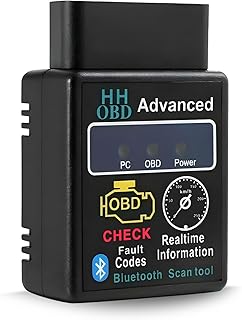
This universal OBD II scanner emphasizes real-time fault code reading and clearing, engine function detection, and rapid abnormality location. It uses wireless Bluetooth for convenient connection to phones or computers, enabling quick access to engine data. The device features a durable ABS shell for daily use and resistance to minor impacts, making it suitable for frequent diagnostics and roadside checks.
Veepeak OBDCheck BLE+ Bluetooth OBD II Scanner

The BLE+ variant from Veepeak supports Bluetooth LE and Classic on Android, with BLE on iOS, designed to work with compatible third-party apps. It offers generic OBD-II capabilities plus live sensor data, freeze frame data, and I/M readiness checks. As with other BLE devices, setup is app-dependent, and some advanced features may be limited by the chosen app ecosystem.
Buying Guide: Key Purchase Considerations
- Compatibility: Ensure your vehicle is OBD-II compliant (most 1996+ US vehicles are) and verify app compatibility for Android and iOS. Some features may require specific apps or premium services.
- Connectivity: Decide between Bluetooth LE (preferred for mobile devices) and classic Bluetooth. BLE typically requires no pairing in the phone’s Bluetooth settings but may depend on the app.
- Feature Set: Distinguish between basic code reading/clearing and advanced diagnostics such as freeze frame data, I/M readiness, live sensor data, ABS/SRS/TPMS codes, and repair suggestions.
- OEM Support and Apps: Manufacturers like OBDLink and BlueDriver offer broader OEM coverage and dedicated apps with more diagnosis features, which can impact long-term value.
- Ease of Use: Look for in-app guidance, clear code descriptions, and reliable connectivity. Some devices require upfront app configuration or specific settings to connect successfully.
- Durability and Build: A sturdy casing (ABS or similar) helps withstand daily handling and vehicle environments, especially for roadside use.
- Cost vs. Benefit: Compare device capabilities against app ecosystems and updates. Subscription-free options are typically simpler for casual users, while premium apps may unlock deeper diagnostics.
- Updates and Support: Consider brands with active firmware updates and solid customer support to maintain compatibility with newer vehicles and apps.