Answering common buyer questions, this guide highlights five reliable oil and fuel transfer pumps. These options suit DIYers, workshop professionals, boaters, and fleet operators who need fast, controlled transfers. Each pick is described with who it’s best for, why it’s chosen, and a practical caveat to consider before purchase. The summary table below helps you compare key traits at a glance.
| Product | Best For | Key Benefit | Limitation |
|---|---|---|---|
| OMT Diesel Transfer Pump (12V) | Home garages and small shops | High 12 GPM flow with self-priming | Diesel-focused; oil not included |
| OMT Diesel Transfer Pump (12V) With Nozzles | Diesel users needing hoses | Self-priming DC pump with complete kit | Additional hoses increase upfront cost |
| Cordless Fuel Transfer Pump (3 GPM) | On-the-go tasks | Handy, durable, quick setup | Lower flow than mains-powered units |
| Fuel Transfer Pump Battery Powered Auto-Stop | Spill-averse transfers | Auto-stop prevents overfill | Battery dependence may affect runtime |
| TIGEROAR Oil Transfer Pump (110V) | Workshop or garage | High 18 GPM with rugged build | Requires AC outlet and setup |
OMT Diesel Transfer Pump, 12V Fuel Transfer Pump

- Brand: Orion Motor Tech Store
- Uses any low-viscosity oil; suitable for diesel and kerosene transfers
- Self-priming with up to 12 GPM; maximum suction length 16.4 ft; lift up to 32 ft
- Includes an inner bypass valve and metal strainer for protection
Best for: Small garages or work sites needing fast transfers with decent lift and compact gear. The integrated safety features help guard the motor during clogged operations. Caution: oil compatibility is specified as diesel-oriented; confirm your fluid before use.
OMT Diesel Transfer Pump, 12V With Nozzle Hoses

- Brand: Orion Motor Tech Store
- Self-priming DC electric pump kit for diesel, kerosene, and oil (not included)
- Kit includes hoses and fittings to extend reach
- Designed for on-site transfers with reliable priming
Best for: Users who want a ready-to-use diesel transfer setup with hoses included. Choose this if you prioritize a complete kit over add-on purchases. Limitation: oil or fluid specifics beyond diesel/kerosene are not stated; verify compatibility for your application.
Cordless Fuel Transfer Pump, 3 GPM
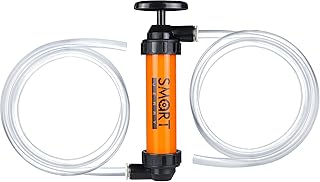
- Brand: SMART JERRY Store
- Durable PP cylinder and PVC hoses built for long life
- Upgraded Shark-Bite connections reduce leaks; easy assembly
- Requires no tools for setup; suitable for liquids like gas, oil, and water
Best for: Light-duty, portable transfers where quick setup matters. Better for smaller volumes or temporary needs. Limitation: 3 GPM flow may be slow for larger tanks or frequent pumping tasks.
Fuel Transfer Pump Battery Powered Auto-Stop

- Brand: EVERRUSH Store
- Automatic stop at nozzle to prevent overfill and spills
- 3.2 GPM flow; cordless operation with AA batteries
- Wide compatibility with gasoline, diesel, and other liquids via durable hose
Best for: Users who want spill-free operation and cordless convenience. Choose this if you prioritize safety features like auto-stop. Caution: battery-powered operation may limit runtime in prolonged tasks.
TIGEROAR Oil Transfer Pump (110V)

- Brand: TIGEROAR Store
- 110V AC operation with up to 18 GPM; lift height up to 49 ft
- G3/4 hose adapters; robust cast aluminum body and cast iron pump head
- Includes cooling fan and waterproof switch for safety
Best for: Workshops needing high flow and a rugged build for heavier-duty transfers. Choose this when consistent, high-volume pumping is required. Limitation: Requires nearby mains power and setup for use.
Buying Guide: Key Purchase Considerations
- Drive source: Decide between 12V DC, 110V AC, or cordless battery-powered pumps. 12V units suit small shops; 110V models deliver higher flow; cordless pumps offer portability but may have runtime limits.
- Flow rate: Consider the volume you transfer per job. Higher GPM speeds up large fills but may increase noise and energy use. For small, quick tasks, 3–12 GPM is often sufficient.
- Fluid compatibility: Verify that the pump is designed for the fluids you handle (gasoline, diesel, kerosene, oil). Some models specify “oil not included,” so confirm compatibility with your fluid.
- Priming and suction: Self-priming features help start transfer without manual priming. Check maximum suction distance if you’re transferring from distant tanks.
- Safety and protection: Look for features such as bypass valves, auto-stop nozzles, and protective casings. A metal filter or strainer protects the pump from debris in diesel or dirty fluids.
- Hose and fitting quality: Durable hoses and reliable connectors (like Shark-Bite) reduce leaks and maintenance. Confirm hose length and inlet/outlet sizes match your setup.
- Portability versus durability: Lightweight pumps are easy to move; heavy-duty industrial pumps are more stable for continuous use. Choose based on job frequency and environment.
Practical Tips For Selecting The Right Pump
- For frequent, on-site automotive work, prioritize 12V or 110V units with solid safety features and straightforward setup.
- If spills are a concern, select pumps with auto-stop or integrated shutoff features and leak-resistant connections.
- Boat, farm, or remote-site tasks benefit from cordless options, but plan for battery life and charging needs.
FAQ
- What is the typical best-use scenario for a 12V diesel transfer pump? It’s ideal for garages or shops transferring diesel or kerosene, offering portable, quick pumping with decent head height.
- Do I need hoses and nozzles with every pump? Some kits include hoses; if not, verify compatibility and purchase the correct hose length and fittings separately.
- Can these pumps handle water or other non-potable liquids? Some models tolerate water and other liquids, but always check the liquid compatibility first to prevent damage.
- Is auto-stop necessary for fuel transfers? Auto-stop helps prevent overfill and spills, especially when transferring into narrow cans or tanks.
- Will a 110V pump be suitable for a garage without a dedicated outlet? Yes, but ensure a safe and stable power supply and proper circuit protection.
- Are cordless pumps as reliable as corded ones? Cordless pumps offer portability but depend on battery life; plan for tasks and charging routines accordingly.