Power steering fluid dot 4 is essential for many vehicles with hydraulic steering to ensure smooth, quiet operation and reliable steering response. This guide highlights five relevant products, with clear buying guidance for different vehicle needs. The top picks are suited for drivers seeking long-lasting performance, anti-wariness lubrication, and compatibility with common GM, Chrysler, Ford, Honda, and Acura systems. Whether you drive a newer sedan, a truck, or a Honda/Acura, these options help you choose the right fluid and reduce squealing, leaks, or seal wear.
Overview of selected products. The following table summarizes each option’s key focus: product name, primary use, and best-fit scenario.
| Product | Primary Use | Best For |
|---|---|---|
| Valvoline DOT 3 & 4 Synthetic Brake Fluid | High-boiling synthetic brake fluid for DOT 3 & 4 systems | Vehicles requiring DOT 3/4 brake fluids with corrosion protection |
| Valvoline Power Steering Fluid | Maintains performance, prevents squealing | GM, Chrysler, Ford power steering systems |
| Pyroil Power Steering Fluid (Pack of 12) | Seal and hose conditioning for Honda/Acura systems | Honda/Acura drivers needing seal protection |
| Bar’s Leaks High Mileage Power Steering Repair-It | Repair and conditioning for aging systems | High-mileage vehicles with leaks or wear |
| Prestone AS262 Power Steering Fluid with Stop Leak | Stop-leak formulation for extended mileage | Vehicles needing extra leak prevention |
Valvoline DOT 3 & 4 Synthetic Brake Fluid

This product is a high-boiling synthetic brake fluid designed for DOT 3 and DOT 4 brake systems, offering corrosion protection. It is best for buyers who maintain mixed-fleet vehicles requiring a versatile brake fluid compatible with standard brake hydraulics. Caution: This is not a power steering fluid; use it only in braking systems as specified by your vehicle’s manual.
Valvoline Power Steering Fluid

Valvoline’s power steering fluid is formulated to maintain steering performance and condition, reduce squealing, and inhibit wear and oxidation. It is designed to meet GM 1050017, Chrysler 5931, and Ford M2C195-A specifications, making it suitable for a wide range of American vehicles. Best for drivers seeking a reliable, OEM-specified option. Limitation: Check your owner’s manual for exact specification to ensure compatibility with your model.
Pyroil Power Steering Fluid (Honda/Acura)

This product targets Honda and Acura vehicles specifically, emphasizing sealing and hose conditioning to reduce wear. It is best for owners with older seals or hoses that show signs of aging. Choose this if your vehicle is a Honda or Acura, and be mindful that it may not be ideal for non-Honda/Acura models unless stated by your manual.
Bar’s Leaks High Mileage Power Steering Repair-It
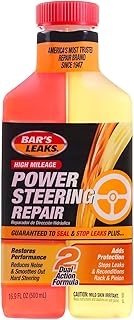
Bar’s Leaks Repair-It is designed for high-mileage power steering systems, aiming to repair leaks and improve overall system condition. It is best for older vehicles experiencing minor leaks or seal wear. Limitation: It is a repair additive rather than a standalone fluid; confirm compatibility with your system and follow the product’s mixing instructions.
Prestone AS262 Power Steering Fluid with Stop Leak

Prestone AS262 combines a power steering fluid with stop-leak properties for extended mileage. It is best for drivers who want to reduce the chances of future leaks in aging systems. Caution: As with any stop-leak formulation, use according to vehicle manufacturer recommendations to avoid clogging or buildup in extreme cases.
Buying Guide
What should you consider when choosing a power steering fluid dot 4 option?
Compatibility with your vehicle’s manual and manufacturer specifications is the primary concern. For SAE DOT classifications, ensure the chosen fluid matches or exceeds your system’s requirements. If your vehicle specifies a particular brand or additive package, prioritize OEM-approved fluids.
What about stop-leak additives?
Stop-leak formulations can help aging systems but may cause buildup in some plumbing over time. Use these if your vehicle has recurrent leaks and if your manual supports stop-leak use. Avoid indiscriminate use in new or high-mileage systems without professional guidance.
Should you use brake fluid in a power steering system?
No. Brake fluids (including DOT 3/4) are not designed for power steering systems. They have different lubricity and viscosity properties. Use dedicated power steering fluids, unless the owner’s manual specifies otherwise for a particular component.
Best for different buyers
- Newer vehicles requiring OEM-compatible fluids: choose fluids that match manufacturer specs (for GM, Chrysler, Ford, Honda, and Acura as listed).
- Vehicles with aging seals or minor leaks: consider stop-leak additives practiced for high-mileage applications.
- Budget-conscious buyers: select multi-pack options that cover multiple maintenance intervals and ensure you have the correct type for your vehicle.
Maintenance tips
- Check the fluid level regularly and replace as recommended by the vehicle manual.
- Use the correct product for the specific system (brake vs. steering) to prevent compatibility issues.
- Observe any unusual noises or steering stiffness and address promptly to avoid damage.
FAQ
- What is DOT 4 power steering fluid?
- Can I mix different power steering fluids?
- Is stop-leak safe for all vehicles?
- How often should I change power steering fluid?
- Which fluid is best for high-mileage vehicles?
- Are these products safe for all steering systems?
DOT 4 refers to a specification typically used for brake fluids; power steering fluids have their own specifications. When the term “dot 4” appears in connection with steering products, it usually implies a compatibility or cross-reference in marketing. Always rely on the vehicle’s owner manual for the correct specification.
Generally, it is not recommended to mix different formulations. Use the product specified for your vehicle to maintain proper lubrication and seal integrity.
Stop-leak formulations can help aging systems but may clog passages in some engines or PS circuits. Follow manufacturer guidance and use only as directed.
Refer to your vehicle’s maintenance schedule. Some vehicles require periodic fluid changes, while others rely on system checks and replacements as needed.
High-mileage options with conditioning and stop-leak features can help, but ensure compatibility with your specific vehicle and consider a professional diagnostic if leaks are significant.
Not every product is compatible with every system. Verify compatibility with your vehicle’s manual before use to avoid possible damage.