Choosing the right solid roller nitrous cam for a Chevrolet small-block requires balancing RPM capability, nitrous support, and street manners. The following five cams represent popular options that pair well with nitrous systems, high-performance heads, and higher compression. Each listing includes operating ranges, duration, and lobe separation to help you compare impulse, torque, and throttle response. Use this guide to narrow choices for your SBC build and ensure compatibility with your existing setup.
| Product | Brand |
|---|---|
| COMP Cams 12-970-9 Drag Race 279/286 Solid Roller Cam | Cams |
| COMP Cams 08-303-8 Nitrous HP 236/248 Hydraulic Roller Cam | Cams |
| COMP Cams 12-419-8 Nitrous HP 236/248 Hydraulic Roller Cam | Cams |
| COMP Cams 11-414-8 Nitrous HP 242/254 Hydraulic Roller Cam | Cams |
| COMP Cams 12-600-8 Thumpr Hydraulic Roller Camshaft Kit | ENGINE SUPPLY |
COMP Cams 12-970-9 Drag Race Solid Roller Cam

The COMP Cams 12-970-9 Drag Race solid roller is designed for high-RPM SBC builds with 400+ cubic inches, good heads, and high compression. It features a .900″ base circle and aggressive duration of 279/286 at .050″, with a 108 degree lobe separation angle. The cam is intended for race-oriented use, delivering strong midrange to top-end power in a 5,000–7,500 RPM window. This profile suits nitrous-assisted setups where maximum breathing and precise valve timing are critical.
Key considerations include: high RPM potential, compatibility with solid roller lifters, and nitrous-ready timing. Ensure your valve springs, pushrods, and tumbler hardware can support the aggressive lobe profile. This cam is best paired with a well-built short-block and efficient heads to optimize airflow and combustion, especially when using nitrous to spike horsepower.
COMP Cams 08-303-8 Nitrous HP 236/248 Hydraulic Roller Cam
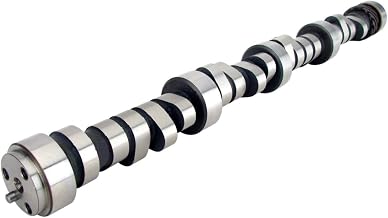
The 08-303-8 Nitrous HP hydraulic roller is designed for OE-style SBC platforms while accommodating nitrous systems. With a 2,400–6,500 RPM operating range and a 236/248 duration at .050″, this cam is built for a balance of streetability and nitrous performance. A 113-degree lobe separation contributes to mid-range torque and steady idle characteristics, making it suitable for street/strip combos that want nitrous-enhanced power without extreme idle chatter.
Considerations include hydraulic roller lifters, proper spring pressure, and a robust valvetrain for nitrous use. It’s essential to verify compatibility with your current cam bearings, lifter basins, and oiling strategy. In setups with nitrous, aim for a conservative timing map and adequate cooling to preserve engine reliability during bottles or direct-port activation.
COMP Cams 12-419-8 Nitrous HP 236/248 Hydraulic Roller Cam

This 12-419-8 Nitrous HP hydraulic roller for Chevrolet SBC blends nitrous readiness with a practical operating range of 2,400–6,500 RPM. It shares a 236/248 duration at .050″ with a 113-degree lobe separation, designed for street/strip hybrids. The kit-style approach emphasizes reliability and ease of installation in engines that use hydraulic lifters, while still delivering nitrous-assisted power at higher RPMs. It is well-suited for engines with proper compression and breathing improvements.
When selecting this cam, check compatibility with lifter kits, oiling system, and nitrous sizing. Ensure your exhaust, intake, and headers are tuned for the increased exhaust gas flow that accompanies a nitrous-equipped small-block. A smooth idle and consistent power delivery are achievable with proper tuning and engine hardware adjustments.
COMP Cams 11-414-8 Nitrous HP 242/254 For Big Block SBC

The 11-414-8 Nitrous HP solid roller for big-block SBC variants offers a 242/254 duration at .050″ and a 113-degree lobe separation. Although described for larger displacement blocks, this cam profile emphasizes nitrous-friendly combustion with a strong mid-range. It targets engines built for higher boost or nitrous power while maintaining a rideable idle and predictable throttle response. This option suits combinations where block strength and heads meet the cam profile’s demands.
Key decisions involve ensuring a solid roller lifter setup, spring rates, and pushrod length to handle the lobe profile. For nitrous use, coordinate with a tuned nitrous system and a robust cooling plan. This cam can deliver notable power gains with appropriate fuel and timing strategies.
COMP Cams 12-600-8 Thumpr Hydraulic Roller Kit

The 12-600-8 Thumpr kit features a lopey idle profile with a 227/241 duration at .050″ and .511″/.497″ lift, combined with a 107° LSA. Engineered for Chevy SBCs 283-400, it’s a street-oriented option that emphasizes strong idle sound and noticeable low- to mid-range torque. The kit includes lifters, providing a complete retro-fit solution that aims to retain daily drivability while delivering a unique Thumpr signature and improved throttle response when nitrous is involved in higher RPM scenarios.
Considerations for the Thumpr kit include the need for appropriate lifters and compatibility with existing valvetrain components. This option offers a distinct sound and a balance of torque and throttle response, particularly in casual street builds that also see spirited acceleration with nitrous support.
Buying Guide: Key Purchase Considerations And Comparisons
- Cam type and lifter compatibility: Solid roller cams require matching lifters and a robust valve-train, whereas hydraulic roller options may offer easier street use but require proper spring pressure and oiling. Ensure the lifters, pushrods, and springs are designed for the chosen cam profile and nitrous usage.
- RPM range and intended use: For nitrous applications, select a cam with an operating RPM window that aligns with your shift points and nitrous delivery strategy. Drag race and high-RPM street/strip builds benefit from aggressive duration and tight lobe separation; street builds benefit from a smoother idle and wider torque curve.
- Compression and head choice: Higher compression and high-flow heads pair well with aggressive cams but require precise tuning. Confirm piston-to-valve clearance, head gasket compatibility, and combustion chamber characteristics to avoid detonation with nitrous.
- Valve timing and LSA: Lobe Separation Angle (LSA) affects idle quality and mid-range power. A narrower LSA often produces more aggressive mid-range but can worsen idle quality; wider LSAs improve idle stability but reduce top-end loudness and sheer RPM power.
- Ignition and fuel system: Nitrous-assisted engines need careful mapping of ignition timing and fuel delivery. Ensure your ECU or spark control can handle nitrous timing, and that the fuel system can supply sufficient fuel at elevated throttle.
- Reliability and maintenance: Solid rollers demand precise engine assembly, regular lifter and cam wear checks, and consistent oiling. Plan for maintenance intervals and potential wear when using nitrous systems and high-RPM operation.
- Installation considerations: Some options come as complete kits, including lifters and related hardware, while others may require separate purchases. Confirm bolt-in compatibility or assess machining needs for installation.
- Noise and driveability: Thumpr-style profiles deliver a distinctive lope that may affect daily driving. Consider your tolerance for idlingRPM behavior and exhaust resonance when choosing a cam.
- Budget and availability: While all options fit SBC builds, shipping, warranty, and support may vary. Evaluate the total package including lifters, required spring upgrades, and potential machine work.