The following selection highlights steel-bead bicycle tires that prioritize durability, puncture resistance, and stable performance. Perfect for riders seeking longer wear and steady traction across road and light trail conditions, these options cover solid, puncture-guard, and steel-bead designs. Each entry includes key features to help compare performance, installation, and sizing needs.
| Product | Brand | Notes |
|---|---|---|
| 20 Inch Bike Tire Solid Tire | Unspecified | Solid, airless, puncture-resistant |
| Schwalbe Marathon Plus | Schwalbe Store | Rigid, puncture-protected, touring style |
| Schwinn Replacement 26″ Tire | Schwinn | Kevlar puncture guard, steel bead, 26″ fits internal rims |
| 26×1.95/2.125 Solid Pair | Catazer Store | Fixed inflation solid tires, multiple compatible sizes |
| Schwinn 26″ x 1.95 Mountain Tire | Schwinn | Wide traction, steel bead, off-road capable |
These selections emphasize durability and compatibility with common mountain, hybrid, and cruiser bikes. Read through the detailed sections to compare installation notes, traction characteristics, and fit across popular wheel sizes.
20 Inch Bike Tire Solid Tire For Road And Kids Bikes

This 20-inch solid tire eliminates inner tubes and inflation concerns, offering a puncture-resistant solution for casual riders and kids’ bikes. The tire is clamped to the rim, which means its nominal size can appear smaller than standard pneumatic tires. Installation involves soaking in warm water to soften, then using tire levers and pre-stretch techniques. While it trades off some ride compliance for puncture protection, the absence of air can simplify maintenance for busy households. Suitable for replacement on compatible 20-inch wheels, this tire emphasizes durability in urban or schoolyard settings.
Schwalbe Marathon Plus Rigid Unisex Bicycle Tyre

The Schwalbe Marathon Plus is a well-known rigid, puncture-resistant tire designed for endurance riding. The listing highlights its sporting goods category and provides dimensions packaging details, signaling a robust setup intended for long-distance use. This tire’s rigid construction contributes to lower pinch flats and steady handling on pavement and light trails. While exact tread patterns aren’t described here, Marathon Plus tires are commonly favored for touring and daily commuting due to their durability and reliable puncture protection.
Schwinn Replacement Bike Tire, 26″ Mountain Tire

This Schwinn replacement tire is built for 26″ wheels with internal rims of 19–29 mm width. The tire size is listed as 26 x 1.95 inches, suitable for hybrid or mountain setups, offering a wider tread area to improve traction and cornering on pavement and light trails. The steel bead and robust construction deliver dependable performance across mixed terrain, making it a practical option for riders who want a reliable replacement with strong sidewall support.
26X1.95/26X2.125 Solid Tire Pair

This two-pack includes solid tires compatible with several 26-inch sizes, ranging from 26 x 1.25 to 2.125 and up to 2.0 inches in width. Installation guidance notes soaking in hot water for 5–8 minutes to facilitate mounting, which is a common approach for non-pneumatic tires. The solid construction reduces puncture risk and maintenance frequency, appealing to riders seeking low-maintenance wheels for daily commuting or rugged trails where flats are more likely.
Schwinn Replacement Tire, 26″ Mountain Tire
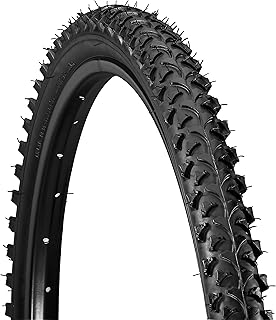
This Schwinn tire is designed for 26″ wheels with internal rim widths from 19mm to 29mm. It features a wide, blocky tread pattern for enhanced traction on loose or rocky surfaces, making it suitable for off-road riding or mixed terrain. The steel bead construction adds lateral stiffness and durability, helping resist pinch flats on rough trails. PSI guidance ranges from 40 to 65, aligning with typical mountain bike specifications and rider weight considerations.
Buying Guide: Key Purchase Considerations
- Wheel size and rim compatibility: Verify that the tire size matches your bike’s wheel diameter and the internal rim width. Common sizes in this list include 20-inch and 26-inch wheels with various internal widths.
- Bead type and construction: Steel beads offer robust sidewall support and durability, while some tires emphasize puncture protection (e.g., Kevlar or solid designs). Match your riding style to the bead construction that best resists flats and provides stable handling.
- Tread pattern and intended terrain: Road-focused tires typically have smoother tread for low rolling resistance, while mountain and hybrid tires require more pronounced knobs for traction on loose surfaces. Consider the terrain you ride most often.
- Installation considerations: Solid or airless tires require different mounting approaches and may seem smaller in diameter. Some models recommend heat-softening or soaking to ease installation, so check the included guidelines.
- Maintenance and puncture resistance: If you frequently encounter nails or glass, solid tires or those with puncture-guard layers provide longer intervals between punctures but may trade some ride comfort.
- Weight and ride quality: Solid tires are typically heavier and can affect acceleration and ride feel. Weigh the trade-offs between patchless reliability and overall handling for your riding goals.
- Intended use: For daily commuting, durability and low maintenance can be top priorities. For light trail use, traction and tread design may be more important than airless reliability alone.
When selecting steel-beaded or puncture-resistant tires, balance durability, installation practicality, and terrain demands. The listed options provide a range of choices—from airless solid tires to reinforced, road-handling and mountain-ready designs—helping American riders choose tires that align with their typical routes and maintenance preferences.