Choosing the right underwater boat paint involves balancing durability, antifouling properties, ease of application, and compatibility with different hull materials. This guide highlights five top options suited for protecting submerged surfaces, preventing fouling, and extending hull life. Each product section includes a quick overview, practical use cases, and key considerations to help you pick the best fit for your vessel.
| Product | Brand | Best For |
|---|---|---|
| TotalBoat TotalProtect Epoxy Barrier Coat System | TotalBoat Store | Gelcoat blister prevention, fiberglass repairs, underwater metals |
| Rust-Oleum Marine Flat Boat Bottom Antifouling Paint | Rust-Oleum Store | Below-waterline antifouling for various substrates |
| TotalBoat Outdrive AF Aerosol Spray Paint | TotalBoat Store | Propellers and underwater metals |
| SENVEN Boat Paint | SENVEN Store | Topside, bottom, and waterline with high-gloss marine finish |
| Rust-Oleum Marine Coatings Topside Paint | Rust-Oleum Store | Above-waterline hull surfaces |
TotalBoat TotalProtect Epoxy Barrier Coat System
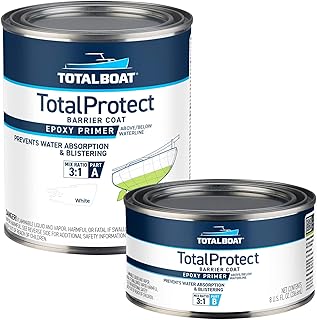
The TotalBoat TotalProtect Epoxy Barrier Coat System is a two-part epoxy primer and barrier coat designed for use above and below the waterline. This product is particularly effective for gelcoat blister prevention and repair on fiberglass boats, providing robust protection on underwater metals. It is suitable for preparation and sealing of hull surfaces prior to antifouling coatings, helping to extend coating life and reduce maintenance needs. Application steps typically involve surface cleaning, abrasion, mixing of components, and a controlled curing process to achieve a strong, watertight barrier. Consider using with compatible antifouling paints for ongoing protection against fouling organisms.
Key considerations:
– Compatibility: Best used as a barrier coat before antifouling or topcoat applications.
– Substrate versatility: Works on fiberglass and other underwater metals, aiding blister repair.
– Cure time: Plan for proper curing between coats to ensure a durable seal.
– Environment: Follow weather and humidity guidelines for optimal results.
Rust-Oleum Marine Flat Boat Bottom Antifouling Paint

This quart antifouling paint is formulated to prevent marine fouling on below-waterline surfaces. Suitable for fiberglass, wood, and steel, it slowly releases copper to deter barnacles, algae, and other growth. The product offers a practical balance of ease of recoat and fast launch readiness—recoat in about four hours and capable of launching in roughly 16 hours. Coverage can reach up to 110 square feet per quart, making it a good option for moderate-sized hulls. Maintain a clean underwater surface for optimal performance.
Key considerations:
– Substrate compatibility: Works well across common hull materials.
– Application window: Plan around drydock timelines to ensure effective curing.
– Environmental impact: Copper-based antifouling influences water exposure—consider local regulations.
– Maintenance: Regular inspection helps sustain antifouling effectiveness.
TotalBoat Outdrive AF Aerosol Spray Paint

The TotalBoat Outdrive AF Aerosol spray provides a zinc-containing protective coating designed for underwater metals, including propellers, outdrives, shafts, and trim tabs. The formula contains approximately 1.5% zinc pyrithione to keep metal surfaces smooth and corrosion-resistant in service. This fast-drying coating supports at least two coats for single-season protection and helps reduce maintenance downtime by enabling quick reapplication. It is a practical choice for boats with exposed underwater hardware prone to saltwater exposure and electrochemical wear.
Key considerations:
– Coverage and buildup: Aerosol coatings are convenient for spot protection and hard-to-reach areas.
– Zinc-based protection: Zinc pyrithione aids corrosion resistance but review local environmental guidelines.
– Drying time: Plan coatings to minimize time out of the water.
– Compatibility: Ensure compatibility with adjacent paint layers and substrates.
SENVEN Boat Paint For Topsides, Bottom & Waterline
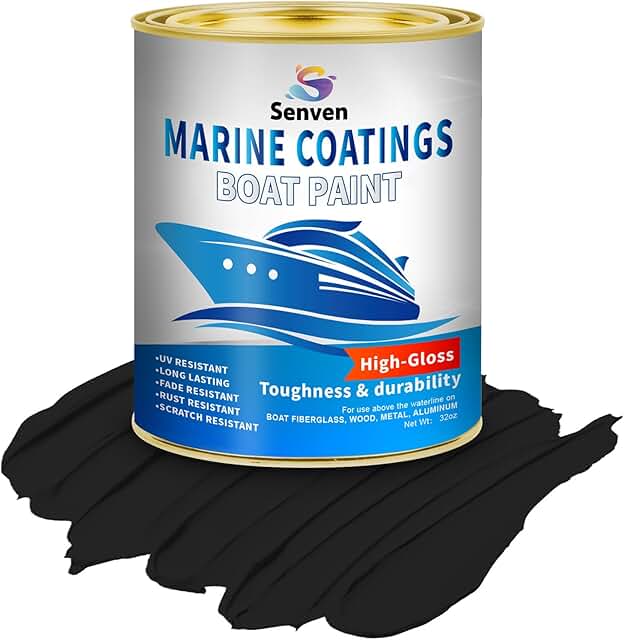
SENVEN presents an all-in-one marine paint designed for topside, bottom, and waterline usage. It adheres to multiple surfaces including marine fiberglass, wood, metal, and previously painted substrates, delivering a high-gloss marine finish that resists abrasion. The formula aims for durability and a polished appearance across hull components, making it suitable for boats requiring a uniform finish across multiple zones. Not recommended for continuous submersion on boat bottoms that remain in water longer than 72 hours, as extended submersion can affect performance.
Key considerations:
– Versatility: Works across hull zones, simplifying maintenance.
– Substrate range: Includes fiberglass, wood, and metal surfaces.
– Submersion limits: Avoid long-term submersion for bottom applications.
– Finish: High-gloss appearance enhances aesthetics and visibility of the hull.
Rust-Oleum Marine Coatings Topside Paint

This Rust-Oleum topside paint is formulated for above-water surfaces on fiberglass, wood, and metal. The oil-based formula provides flexibility with easy application and excellent leveling. It dries to the touch within 1–2 hours and covers up to 100 square feet per quart. It’s a solid choice for hull areas exposed to sun and spray, where durability and a smooth finish are prioritized. For best results, surface prep and consistent application are essential to avoid uneven texture or brush marks.
Key considerations:
– Above-waterline use: Not intended for submersion as a primary antifouling solution.
– Drying and cure: Fast tack-free times aid quicker occupancy of the vessel.
– Coverage: Plan paint quantity based on hull area and number of coats.
– Weather: Humidity and temperature influence cure and finish quality.
Buying Guide: Key Purchase Considerations And Comparisons
When selecting underwater boat paints, consider hull material, typical water exposure, and maintenance expectations. Below are practical factors to compare across products:
- Substrate compatibility: Fiberglass, wood, steel, and aluminum each respond differently to coatings. Barrier coats and primers may be needed before antifouling or topcoat layers.
- Waterline and submersion performance: Some paints are designed specifically for below-waterline use, while others excel above the waterline. Read product labels for submersion guidance and recoat intervals.
- Fouling resistance: Antifouling paints reduce organism growth, but copper- or biocide-based formulations may be restricted in certain areas. Consider local environmental regulations and seasonal maintenance plans.
- Durability and ease of application: Two-part epoxies provide strong barriers but require careful mixing and curing. Aerosol sprays offer spot protection with quick application, while traditional paints may require multiple coats.
- Cure times and docking windows: Plan painting during drydock or haul-out periods to ensure complete curing. Some products dry quickly, while others need longer curing for full durability.
- Finish and aesthetics: High-gloss finishes look attractive and may ease cleaning, but durability under saltwater exposure varies. Choose a finish that balances appearance with protection needs.
- Maintenance cycle: Consider how often you’ll need to recoat or reapply, and whether a barrier coat can extend intervals between maintenance.
In sum, the best choice depends on your hull material, patrol routes, and maintenance capabilities. For heavy-duty barrier protection and blister prevention on fiberglass, a tested epoxy barrier system paired with a suitable antifouling or topcoat can offer long-term benefits. For frequent hull inspections and quick spot repairs, aerosol sprays or ready-to-apply topside finishes provide flexibility. Always follow manufacturer instructions for surface prep, mixing, application conditions, and curing to maximize performance and hull longevity.