Vertical auxiliary fuel tanks are designed to extend range for trucks, ATVs, boats, and overhead-mounted systems. This guide highlights five top options from trusted brands, focusing on capacity, durability, and installation compatibility. Each product includes a quick overview of its standout features to help you compare at a glance.
| Product | Brand | Capacity | Key Features |
|---|---|---|---|
| RDS MFG INC 72118 Vertical Transfer Fuel Tank | MFG INC | 90 Gallons | Top-siphonable with electric pump; Rust-resistant aluminum |
| RDS MFG INC 71083 Rectangular Auxiliary/Transfer Fuel Tank | MFG INC | 45 Gallons | Fully welded seams; top-siphon fueling via electric pump |
| 11408 Auxiliary Fuel Tank Install Kit | Various | Kit/Compatibility | Gravity-fueled compatibility; installation kit included |
| 14-15 Gallon Aluminum Fuel Cell Tank | Unspecified (Online Retailer) | 14–15 Gallons | Aluminum body; level sensor; lightweight |
| JSD 2 Gallons Aluminum Spun Round Gas Tank | JSD | 2 Gallons | Center-fill design; lightweight aluminum |
RDS MFG INC 72118 Vertical Transfer Fuel Tank

The 72118 model from MFG INC is a high-capacity vertical transfer fuel tank designed for demanding applications. With a 90-gallon capacity and a compact 60″ L x 14″ W x 26″ H aluminum profile, it targets vehicles and equipment needing extended range. The tank features rust-resistant aluminum construction suitable for gasoline storage and transfer. Its design supports top-fuel siphoning when paired with an electric fuel pump, enabling reliable, quiet operation in mobile setups or marine configurations. The robust build aims to withstand vibration and outdoor exposure typical of off-road and industrial environments.
Key considerations include compatibility with mounting hardware and space constraints on your vehicle, the need for a suitable electric pump, and ensuring the electrical system can support auxiliary fuel transfer. Although the tank’s aluminum composition offers corrosion resistance, proper mounting and securing are essential to prevent movement and stress on connections during operation. This option is well-suited for users prioritizing large capacity and durable construction.
RDS MFG INC 71083 Rectangular Auxiliary/Transfer Fuel Tank

The 71083 is a 45-gallon auxiliary/transfer tank from RDS MFG INC, featuring a rectangular, space-efficient form factor. It is designed to work with traditional gasoline auxiliary fueling, using top-siphon methods in conjunction with an electric fuel pump. The tank emphasizes fully welded seams for durability, reducing the risk of leaks and improving overall integrity in harsh environments. This model balances capacity and footprint, making it a practical choice for vehicles with limited underbody space or for mounting in tight installations such as utility bodies or trailer-backed rigs.
Matches and mounting considerations include verifying perimeter clearance, ensuring the electrical pump and line routing are compatible with your existing system, and confirming that the top-siphon approach aligns with your fueling needs. The fully welded construction contributes to reliability in rough terrain or marine applications where vibrations are common.
11408 Auxiliary Fuel Tank Install Kit

The 11408 kit is designed for compatibility with gravity-fueled auxiliary fuel tanks, specifically targeting Dodge Ram models from 2013 to 2018. The device provides a complete installation pathway, including hardware and fittings to integrate gravity-fed tanks with an auxiliary fuel system. This kit is ideal for users seeking a straightforward upgrade path that leverages gravity feed, potentially reducing reliance on electric pumps in certain configurations. Installation complexity varies with vehicle layout and existing fuel lines, so careful routing and secure mounting are essential.
Considerations include confirming compatibility with your chosen tank, ensuring proper venting and shutoff protections, and evaluating whether gravity feed meets your performance expectations for your application—whether off-road, towing, or marine use.
14-15 Gallon Aluminum Fuel Cell Tank

This 14–15 gallon aluminum fuel cell is designed for versatile lightweight applications, offering a compact solution with a level sensor for precise fuel monitoring. Its aluminum construction provides corrosion resistance and reduced weight, making it suitable for side-maddle or under-seat installations in boats or smaller vehicles. The tank’s relatively small capacity is ideal for scenarios where weight and space are critical, while still delivering a meaningful fuel reserve for extended outings or emergency fuel needs.
Key points for users include ensuring compatibility with your mounting space, wiring for the sensor and any optional gauge, and assessing whether a small-capacity tank fits your operational profile. This option emphasizes portability and ease of installation in constrained environments.
JSD 2 Gallons Aluminum Spun Round Gas Tank
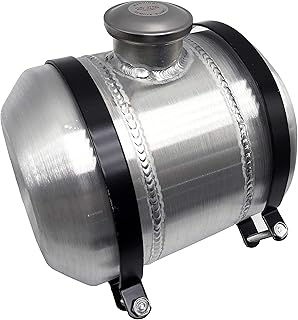
The JSD 2-gallon aluminum spun round gas tank provides a compact, lightweight solution with a center-fill design and a 1/4″ NPT outlet. Suitable for smaller fuel applications, its simple construction supports easy mounting in tight spaces on ATVs, small boats, or utility trailers. The center-fill configuration offers straightforward refueling access, while the aluminum material contributes to corrosion resistance and longevity in marine or outdoor settings.
Considerations for this option include assessing fuel throughput requirements, ensuring a secure mounting method to handle vehicle motion, and confirming compatibility with existing hoses and fittings. This tank excels where space is limited and a quick-fill, lightweight solution is needed.
Buying Guide: Key Purchase Considerations
- Capacity needs: Choose a tank that balances range with weight and space constraints. Higher capacities extend distance but add weight and may require stronger mounting.
- Material and corrosion resistance: Aluminum tanks offer good corrosion resistance and lighter weight, while steel may be more rugged but heavier and prone to rust without coating.
- Mounting and space: Measure mounting locations to ensure clearance for height, width, and length. Consider underbody, rear, bed, or rack-mounted configurations.
- Fuel type compatibility: Confirm the tank is designed for gasoline if that is your intended fuel. Some kits support diesel or mixed use; verify compatibility with your system.
- Fuel transfer method: Top-siphon and electric pump setups provide convenient fueling, while gravity-fed configurations reduce electrical dependencies but require layout considerations.
- Seams and construction: Fully welded seams provide durability and leak resistance, especially in off-road or marine environments where vibration is common.
- Installation kit compatibility: Some tanks require specific installation kits or mounting hardware. Check that you have or can obtain compatible fittings, hoses, and vent lines.
- Monitoring and safety: Level sensors or gauge compatibility helps prevent overfill. Ensure proper venting to avoid pressure buildup.
- Warranty and support: Look for tanks with manufacturer warranties and accessible customer support for replacements or guidance on installation.
- Maintenance and serviceability: Aluminum tanks are generally easier to maintain; consider access to parts and replacement components if needed.